How Many Times Should a Dog Eat a Day? Complete Guide
DogMealGuide Editorial Team
DogMealGuide Editorial Team provides research-backed, practical advice to help dog owners make better nutrition decisions for their pets.
How Many Times Should a Dog Eat a Day to Keep Them Healthy
Setting up consistent feeding routines is key for your pet's health. Quality ingredients are important, but how often you feed them matters too. It helps keep their metabolism stable.
Knowing how many times should a dog eat a day helps manage their energy. It stops health problems like obesity and digestive issues.

Matching your pet's diet to their lifestyle ensures they stay healthy. This guide offers tips to make the best meal plan for your dog.
Key Takeaways
- Consistent meal schedules support better metabolic health and digestion.
- Feeding frequency is just as important as the quality of ingredients.
- Proper portion control helps prevent obesity and related health risks.
- Individual lifestyle factors influence the ideal number of daily meals.
- Establishing a routine promotes behavioral stability for your pet.
Determining How Many Times Should a Dog Eat a Day
Your dog's needs change as they grow. They need the right number of meals to stay healthy. This helps their digestion and overall health.
Life Stage Considerations for Feeding Frequency
Puppies grow fast and need small meals often. Vets say to feed them three to four times a day until they're six months old. This stops low blood sugar and keeps them fed all day.
When your dog gets older, they might need to eat twice a day. This helps keep their blood sugar steady and keeps them full. As they get really old, they might need smaller meals to avoid getting too heavy.
Activity Levels and Metabolic Needs
A dog's activity level affects how often they should eat. Active dogs might need more meals because they burn calories fast. Lazy dogs might do better with fewer meals to avoid eating too much.
Check your dog's body condition score often. If they seem tired or always hungry, it's time to change their meal schedule. This stops them from feeling slow after big meals.
| Life Stage | Activity Level | Recommended Meals |
|---|---|---|
| Puppy | High | 3-4 Times Daily |
| Adult | Moderate | 2 Times Daily |
| Senior | Low | 1-2 Times Daily |
| Working Breed | Very High | 3 Times Daily |
Establishing a Consistent Feeding Schedule
Feeding your dog on a regular schedule does more than just fill their bowl. It supports their digestive system and overall well-being. A predictable routine makes your pet feel secure and helps regulate their internal clock. This habit can lead to more regular bowel movements and better health.
Step 1: Assessing Your Dog’s Age and Breed
Every dog has different nutritional needs based on their age and breed. Start by figuring out your dog's daily caloric needs to ensure they get the right amount of energy. Puppies need more frequent, nutrient-rich meals to support their fast growth.
Larger breeds may have different energy needs than smaller, high-energy breeds. Talk to your vet to find out the best caloric intake for your dog. Tailoring the diet to these needs prevents malnutrition and overfeeding risks.
Step 2: Setting Fixed Meal Times
After figuring out your dog's needs, decide when they eat. Fixed meal times help your dog know when to expect food, reducing anxiety and stabilizing their digestive system. Feeding at the same time every day helps their body process nutrients better.
This routine also makes it easier to track their appetite and energy. If your dog suddenly stops eating at their usual time, you'll notice right away. Reliability is key to a healthy, happy pet.
Step 3: Monitoring Portion Control
Accurate portion control is crucial to prevent weight gain and keep your dog healthy. Always use a standard measuring cup or digital kitchen scale instead of guessing. Precision matters for maintaining your dog's ideal weight. For exact amounts by life stage and activity level, see our how much food should I feed my dog guide.
Don't guess the food amount, as small extra portions can add up quickly. If your dog starts gaining weight, adjust their portions with your vet's advice. Watching these measurements closely keeps your dog active and avoids obesity-related health issues. If you're not sure whether weight is already a problem, our guide to overweight dogs shows how to tell.
Managing Sensitive Stomach Needs with Proper Frequency
When your dog has tummy troubles often, try smaller, more frequent meals. This reduces the load on their digestive system. It can help soothe an upset stomach and improve how they absorb nutrients.
Identifying Signs of Digestive Distress
It's key to spot early signs of stomach problems in your dog. If they seem uncomfortable, act fast to stop more pain. Watch for these common signs:
- Frequent vomiting or regurgitation.
- Loose stools or diarrhea that won't stop.
- Too much gas or stomach rumbling sounds.
- Less appetite or feeling tired after eating.
Implementing a Bland Diet for Dogs with Diarrhea
If your vet says your dog needs a bland diet for dogs with diarrhea, aim for easy-to-digest food. Boiled, skinless chicken breast and plain white rice are good choices. They're gentle and help firm up stools.
Make sure the food is at room temperature and in small amounts all day. A bland diet for a dog with diarrhea is just for now. If symptoms last more than 24 to 48 hours, see your vet right away.
Choosing Hill's Science Diet Dog Food for Sensitive Stomachs
After your dog gets better, switch to a sensitive stomach diet for dogs for good. Many find Hill's Science Diet dog food sensitive stomach works well. It's made to be easy on the stomach and has prebiotics for a healthy gut.
Choosing science diet sensitive stomach dog food means balanced nutrition for your pet. It helps prevent future problems. Stick to a regular feeding schedule and these special foods to make your dog's life better. Always introduce new foods slowly to avoid upsetting their stomach.
Feeding Strategies for Dogs with Kidney Disease
A well-planned diet for dogs with kidney disease can greatly improve their life quality. When a dog has kidney issues, it can't filter waste well. Changing their diet is a critical step to help their health.
Understanding the Renal Diet for Dogs
The main goal of a renal diet for dogs is to ease the kidneys' work. These diets have controlled protein and less phosphorus. This helps avoid harmful toxins that can make your dog sick.
Many commercial diets are made to be gentle on kidneys. It's important to pick the right one to ensure your dog gets the nutrients they need.
Balancing Frequency to Reduce Kidney Strain
Feeding your dog regularly is key when they have kidney problems. Eating smaller meals more often helps keep waste levels stable. This makes it easier for the kidneys to work all day.
| Nutrient Focus | Standard Diet | Renal Diet |
|---|---|---|
| Protein Levels | High/Moderate | Restricted/High Quality |
| Phosphorus | Standard | Low |
| Feeding Frequency | 1-2 times daily | 3-4 smaller meals |
Consulting Your Veterinarian on Specialized Nutrition
Always talk to your vet before changing your dog's kidney diet. Every dog is different, based on their kidney stage and health. Your vet can create a plan that's safe and effective for your dog.
"Proper nutritional management is the cornerstone of supporting renal function and extending the comfort of your dog."
Veterinary Nutritionist
Don't try to manage a renal diet for dogs without a vet's help. Regular blood tests and check-ups are important. They help adjust the diet as your dog's needs change. Your active role is key to keeping your dog comfortable and supported.
Weight Management and Portion Control
Helping your dog reach a healthy weight can greatly improve their life. Keeping them at the right weight reduces risks of joint problems, heart disease, and more. By focusing on proper nutrition and consistent habits, your pet can live longer and stay active.
Strategies for Dog Diets for Weight Loss
Effective dog diets for weight loss need a balance of nutrients, not just cutting food. Choose high-fiber foods to keep your dog full and lower calories. This way, your pet gets needed vitamins without gaining weight.
When picking a diet for your dog, look for controlled calories. Monitoring portion sizes is key, along with the food's quality. Always talk to your vet to find the right calories for your dog's needs.
Utilizing Hill's Science Diet Perfect Weight Dog Food
Choosing the right food makes losing weight easier for you and your dog. Hill's Science Diet Perfect Weight dog food is made for healthy weight. It's tasty and keeps your dog's muscles while losing fat.
For small breeds, hills diet perfect weight adult dog small is a great choice. It's made with special ingredients for their needs. This food keeps your dog full and happy, making a healthy lifestyle easier.
The Importance of Small, Frequent Meals for Satiety
Splitting your dog's food into small meals helps with weight control. It keeps blood sugar steady, prevents hunger spikes, and stops begging. It also keeps your dog's metabolism going.
Feeding your dog often gives them a routine and security. It makes them feel not deprived, even on a low-calorie diet. This sustainable feeding schedule helps with long-term weight control and health.
Navigating Raw and BARF Diet Feeding Schedules
Feeding your dog a raw diet is more than just meat. It's about knowing what they need to stay healthy. You must plan carefully to make sure they get all the vitamins and minerals they need. Without the right research, you might miss important nutrients, which could harm your dog's health.
Understanding Raw Diet for Dogs and What to Feed
When looking into a raw diet for dogs what to feed, don't just think about meat. A good meal includes protein, organs, and bones for calcium. Variety is the key to avoid nutritional gaps, so mix up the protein sources like beef, poultry, and fish.
Adding supplements or veggies can help fill any nutritional gaps. Talk to a vet nutritionist to make sure your dog's diet is right for their age and needs. Guesswork can lead to serious health problems.

Safety Protocols for BARF Diet for Dogs
Starting a barf diet for dogs means keeping everything clean. Raw meat can have harmful bacteria like Salmonella or E. coli. Always wash your hands, utensils, and surfaces well after handling raw meat.
- Store raw ingredients in a dedicated freezer or refrigerator section.
- Thaw meat in the refrigerator rather than on the counter to prevent bacterial growth.
- Clean your dog’s feeding bowl with hot, soapy water immediately after they finish eating.
- Avoid letting your dog lick your face shortly after they have consumed raw food.
Structuring Raw Dog Food Diet Recipes
Creating good raw dog food diet recipes means knowing your dog's calorie needs. This depends on their weight, age, and how active they are. Precision is essential when measuring portions to avoid weight issues.
Start by checking your dog's body condition score and adjust the diet accordingly. If your dog is gaining or losing weight, change the portion sizes slowly. Keeping a log of what you feed and how your dog responds will help you perfect their diet.
Specialized Diets for Pancreatitis and Inflammation
When your dog has digestive inflammation, their food is very important. Pancreatitis is a serious issue that needs careful diet control to avoid pain. By focusing on the right nutrition, you can help your dog feel better and stay comfortable.
Developing a Dog Pancreatitis Diet
Working with your vet is key to making a dog pancreatitis diet. The goal is to let the pancreas rest by avoiding digestive enzyme overwork. Choose foods that are easy to digest and give energy without stressing the digestive system.
Feeding your dog small meals often is crucial. This helps the pancreas not to work too hard. Watch for signs of discomfort, like tiredness or vomiting, after meals.
Incorporating an Anti-Inflammatory Diet for Dogs
An anti-inflammatory diet for dogs can greatly improve their life. These diets aim to reduce inflammation with certain nutrients. Omega-3 fatty acids, found in fish oil, are great for soothing tissues.
Choosing an anti-inflammatory diet for dogs helps protect their body from chronic stress. It supports their overall health and may lessen digestive problems. Always check with your vet before adding new foods or supplements to avoid any issues with medications.
Low Fat Dog Diet Requirements
Following a strict low fat dog diet is crucial for pancreatic health. High-fat foods can cause painful inflammation in sensitive dogs. Even a little bit of fatty food can lead to a serious digestive issue.
To keep a successful low fat dog diet, remember these tips:
- Avoid fried foods, bacon, and fatty meat trimmings.
- Choose commercial foods labeled as low-fat or for gastrointestinal support.
- Make sure everyone knows not to give your dog human food.
- Use lean proteins like boiled chicken breast without skin if your vet says it's okay.
Feeding Puppies Versus Senior Dogs
Your dog's needs change a lot as they grow from a playful puppy to a wise senior. Giving them the right food at each stage helps them stay healthy and active for a long time.
Puppies and older dogs need different foods because their bodies are always changing. The best way to help them is to feed them based on their life stage.
Nutritional Needs for Growing Puppies
Puppies have lots of energy and need a lot of calories and nutrients. They grow fast and need protein and fat for strong bones and muscles.
Puppies have small stomachs and need to eat often. Eating three to four times a day keeps their blood sugar steady and stops them from getting too tired or hungry.
Selecting Hill's Science Diet Dog Food for Puppies
Choosing the right food for your puppy is very important. Hill's Science Diet dog food for puppies is made to give them the nutrients they need to grow strong.
This science diet dog food puppy formula has DHA from fish oil. It's good for their brain and eyes. A high-quality food helps your puppy have a strong immune system and healthy coat.
Adjusting Frequency for Science Diet Senior Dog Food
As your dog gets older, their metabolism slows down. They might be less active and need fewer calories to avoid gaining weight.
Switching to science diet senior dog food helps manage these changes. This food supports their joints and helps keep their muscles lean, which is important for older dogs.
Don't forget about your senior dog's teeth when setting their meal times. If they have trouble chewing, you might need to change the texture of their food or give them smaller, more frequent meals. This makes eating easier and more comfortable for them. Our senior dog dental health and diet guide covers both teeth and diet adjustments in detail.
Addressing Dietary Restrictions and Preferences
Managing your dog's health often requires a deep dive into specific nutritional requirements and temporary feeding adjustments. While most dogs thrive on standard commercial kibble, some pets require specialized care. This is due to allergies, ethical considerations, or chronic digestive conditions.
Evaluating Dog Diet Vegetarian Options
Choosing a dog diet vegetarian approach is a decision that requires careful planning. Dogs are omnivores and need high-quality protein sources. This is to maintain muscle mass and organ function.
If you pursue a plant-based path, you must work closely with a veterinary nutritionist. Always ensure that the diet is complete and balanced. Missing taurine or L-carnitine can lead to serious long-term health issues.
When to Use a Bland Diet for Dogs Upset Stomach
Acute gastrointestinal distress can happen to any dog, often resulting in vomiting or diarrhea. Implementing a bland diet for dogs upset stomach is a standard first-line response. It provides immediate relief to an irritated digestive tract.
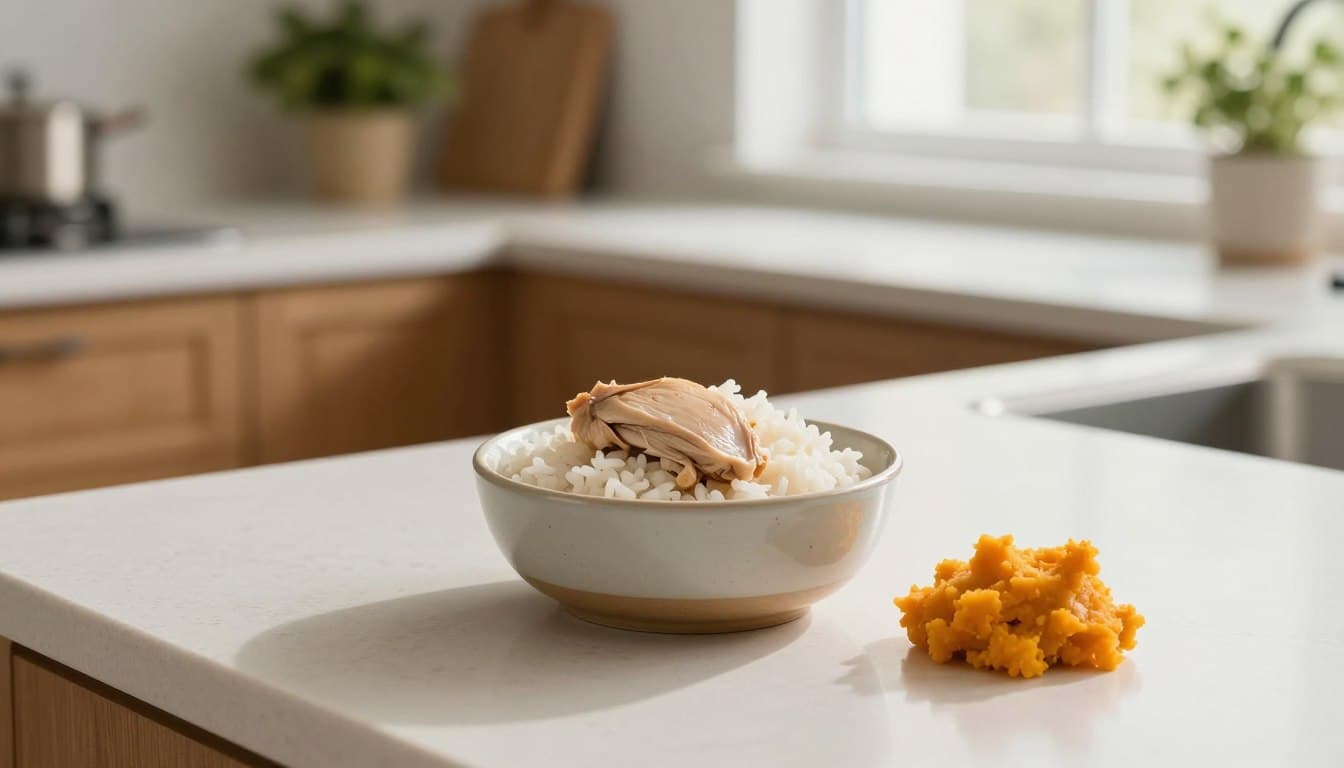
A typical dog bland diet consists of easily digestible ingredients like boiled chicken breast and plain white rice. This dog upset stomach diet should be fed in small, frequent portions. This prevents overwhelming the stomach while the system recovers. See our bland diet guide for step-by-step instructions on introducing and phasing it out.
"The goal of a bland diet is to provide essential calories while minimizing the workload on the gastrointestinal system during a period of acute inflammation."
— Veterinary Nutritionist
Managing Colitis with a Bland Diet for Dogs
Colitis involves inflammation of the large intestine, which often causes discomfort and irregular bowel movements. A bland diet for dogs with colitis helps reduce the frequency of stools. It allows the intestinal lining to heal effectively.
By focusing on low-residue, highly digestible foods, you can significantly lower the irritation caused by fiber-heavy meals. Using a bland diet for dogs with colitis is often a temporary measure. But it remains a powerful tool for managing flare-ups and restoring your dog's comfort.
| Diet Type | Primary Goal | Best Use Case |
|---|---|---|
| Vegetarian | Ethical/Allergy Management | Long-term maintenance |
| Bland Diet | Digestive Recovery | Acute upset/Colitis |
| Standard Kibble | Balanced Nutrition | Healthy adult dogs |
The Role of High-Quality Commercial Foods
Choosing the right commercial food is key to your dog's health. Good nutrition gives them energy, supports their immune system, and keeps their coat healthy. By picking a trusted brand, you make sure your pet eats well every day.
Is Science Diet a Good Dog Food Choice?
Many pet owners wonder, is science diet is a good dog food for their dog? The brand uses deep nutritional research to create diets for different life stages and health needs. Vets often suggest it because it focuses on the right nutrients, not just marketing.
Choosing dog food hill science diet means you're getting food backed by years of study. These diets support digestion, joints, and more. This scientific method makes feeding time easier for you and your pet.
Benefits of Hill's Science Diet Wet Dog Food
Adding hill's science diet wet dog food to your pet's diet has many benefits. It's high in moisture, which helps keep your dog hydrated. It's also more appealing to picky eaters because of its texture and smell.
Using science diet wet dog food makes meals more fun for your dog. It's soft, which is great for older dogs or those with dental issues. Mixing it with dry kibble makes a meal that encourages healthy eating.
Comparing Science Diet Canned Dog Food Varieties
Finding the right science diet canned dog food depends on your dog's health needs. There's a formula for weight management, digestive support, or for puppies. Knowing the benefits of each variety helps you choose the best one for your dog.
| Formula Type | Primary Benefit | Best For |
|---|---|---|
| Adult Sensitive Stomach | Easy Digestion | Dogs with GI issues |
| Perfect Weight | Metabolic Support | Weight management |
| Puppy Healthy Development | Growth Support | Growing puppies |
| Adult 7+ Senior | Joint & Vitality | Aging dogs |
Troubleshooting Common Feeding Challenges
Feeding your dog can sometimes be tricky. You might face issues like your dog not wanting to eat or a busy schedule. Staying calm and consistent helps solve these problems.
Handling Picky Eaters and Appetite Changes
If your dog suddenly doesn't want to eat, don't give them human food. Try warming their food slightly or adding a bit of warm water. This can make their meal more appealing.
Changing where you feed them might also help. Sometimes, too much noise can make them lose their appetite. Also, make sure treats don't fill them up too much.
Adjusting Schedules for Multi-Dog Households
Feeding multiple dogs needs a plan to make sure each gets the right amount. It's best to feed them in separate rooms or use crates. This prevents food fights and lets you keep track of how much they eat.
Use color-coded bowls or different feeding spots if your dogs need different foods. Stick to a strict schedule for each dog. This keeps things organized and peaceful in your home.
When to Seek Professional Veterinary Advice
Minor changes in appetite are normal, but some signs are a warning. If your dog won't eat for more than a day, or shows signs of illness, you should see a vet. These could be signs of serious health problems.
Keep a log of your dog's eating habits to share with your vet. Being proactive helps your dog stay healthy and happy. Don't hesitate to ask for help if you're worried about your dog's appetite.
| Feeding Challenge | Primary Solution | When to See a Vet |
|---|---|---|
| Picky Eating | Warm food or water | If weight loss occurs |
| Food Guarding | Separate feeding areas | If aggression escalates |
| Appetite Loss | Monitor for 24 hours | If vomiting or lethargy |
| Overeating | Use measured portions | If rapid weight gain |
Conclusion
Creating a regular feeding schedule is key to your dog's health and happiness. You have the power to make your pet's life better with simple daily habits.
Adjusting meal times based on your dog's age, activity level, and health can prevent many problems. You'll see improvements in their energy and digestion over time.
Your vet is the best person to help you create a diet plan that fits your dog's needs. Always ask for their advice when changing your dog's diet or feeding schedule.
Choosing high-quality food, like Hill's Science Diet, gives your dog the nutrients they need. Make sure to control portions to keep them at a healthy weight.
Stick to these habits to help your dog live a long, happy life. Share your experiences with others to help them find the best feeding schedule for their pets.
FAQ
How many times should a dog eat a day to maintain optimal health?
Most adult dogs do well with two meals a day — a schedule that aligns with veterinary guidance on feeding dogs. This helps keep their metabolism stable and prevents obesity or digestive problems. A regular feeding schedule supports their energy needs and keeps them healthy.
How does a dog's life stage affect their feeding frequency?
A dog's age is key in deciding how often to feed them. Puppies need three to four meals a day to grow fast and avoid blood sugar drops. As they grow, two meals are enough. Senior dogs might need less food, so it's best to check with your vet.
What should I consider when feeding high-energy or working breeds?
High-energy breeds need more food to keep up with their activity. Make sure they get enough calories to stay energetic. Feeding them at the right times helps keep their energy up during busy periods.
How can I establish a consistent feeding schedule for my pet?
First, figure out how much food your dog needs based on their age and breed. Then, set regular meal times to help their digestive system and internal clock. Use precise tools to control portions and avoid overfeeding.
What is the best way to manage a dog with a sensitive stomach?
Dogs with sensitive stomachs might do better with smaller, more frequent meals. Consider a sensitive stomach diet or a formula like Hill's science diet dog food. These foods are easy to digest and gentle on their stomachs.
When should I use a bland diet for dogs with diarrhea?
A bland diet can help soothe a dog's inflamed gut during diarrhea. Use boiled chicken and white rice, which are easy to digest. Switch back to regular food once their stools return to normal.
What does a renal diet for dogs involve for pets with kidney disease?
A renal diet limits protein and phosphorus to reduce waste in the blood. For dogs with kidney disease, consistent meals are crucial. Always talk to your vet before changing your dog's diet.
Which strategies work best for dog diets for weight loss?
Good weight loss diets for dogs are high in fiber and low in calories. Foods like Hill's science diet perfect weight can help your dog feel full. Feeding them smaller meals throughout the day can also prevent overeating.
What are the safety protocols for a raw or BARF diet for dogs?
A raw diet must be handled safely to avoid bacterial contamination. A balanced BARF diet includes muscle meat, organ meat, and bones. Make sure your dog gets all the nutrients they need to stay healthy.
What should be included in a dog pancreatitis diet?
A pancreatitis diet must be very low in fat to avoid pancreas inflammation. Avoid high-fat foods and treats. Adding omega-3 fatty acids can help reduce inflammation and aid in recovery.
How do I manage chronic conditions like colitis through diet?
Colitis often requires a diet rich in fiber and easy to digest. A bland diet can help during flare-ups. For long-term management, consistent meals and specialized formulas are recommended.
Is Hill's Science Diet a good dog food choice for my pet?
Hill's Science Diet is a good choice because it's backed by research. They offer various formulas for different life stages and health conditions. Whether your dog is a puppy or a senior, they have the right food for them.
How should I handle a multi-dog household with different dietary needs?
Feed each dog in a separate area or at slightly different times. This prevents food theft and lets you monitor their appetite. If you notice changes in eating habits, seek vet advice to rule out health issues.
Topics
Our goal is to give you the most helpful, research-backed information possible. This content is for educational purposes only. For health concerns specific to your dog, always consult your veterinarian.
DogMealGuide Editorial Team
DogMealGuide Editorial Team provides research-backed, practical advice to help dog owners make better nutrition decisions for their pets.
This article is for educational purposes only and is not a substitute for professional veterinary advice.
Best Dog Health Guides
Our top expert-reviewed picks in this category