Best Diamond Puppy Food: Complete Guide + Feeding Tips (2026)
DogMealGuide Editorial Team
DogMealGuide Editorial Team provides research-backed, practical advice to help dog owners make better nutrition decisions for their pets.
Best Diamond Puppy Food Options for Your Growing Pup
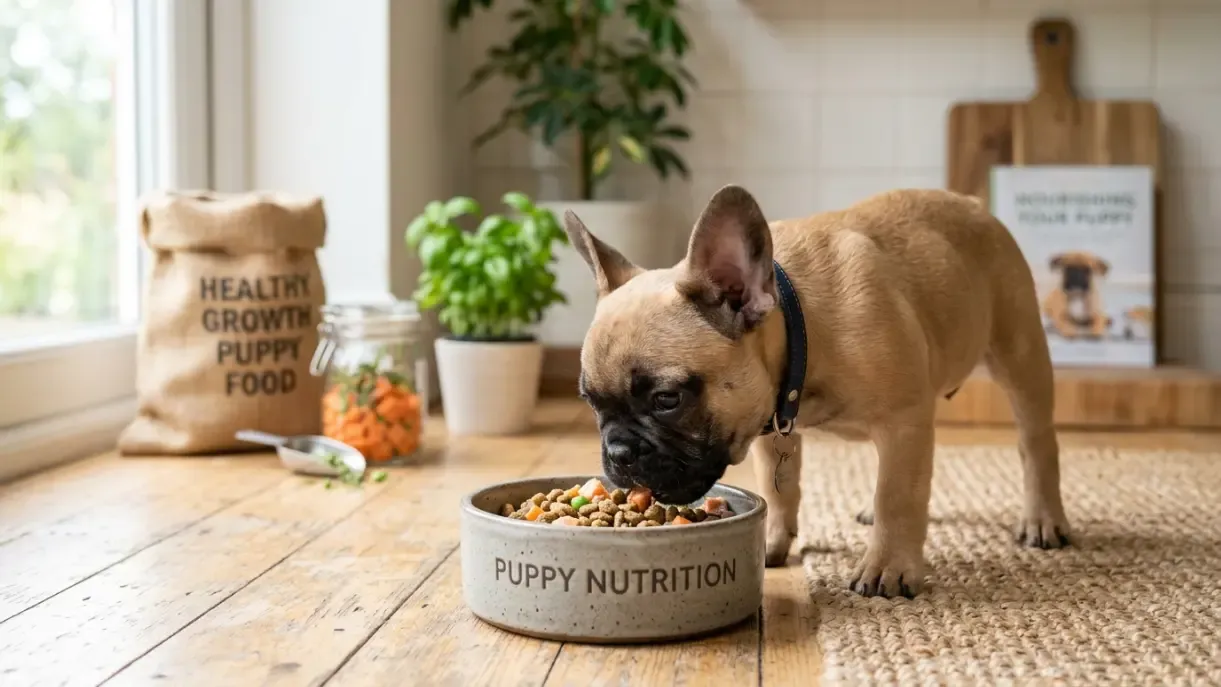
Welcoming a new puppy into your home is thrilling. These early months are key to your pet's growth. The right diamond puppy food is essential for their development.
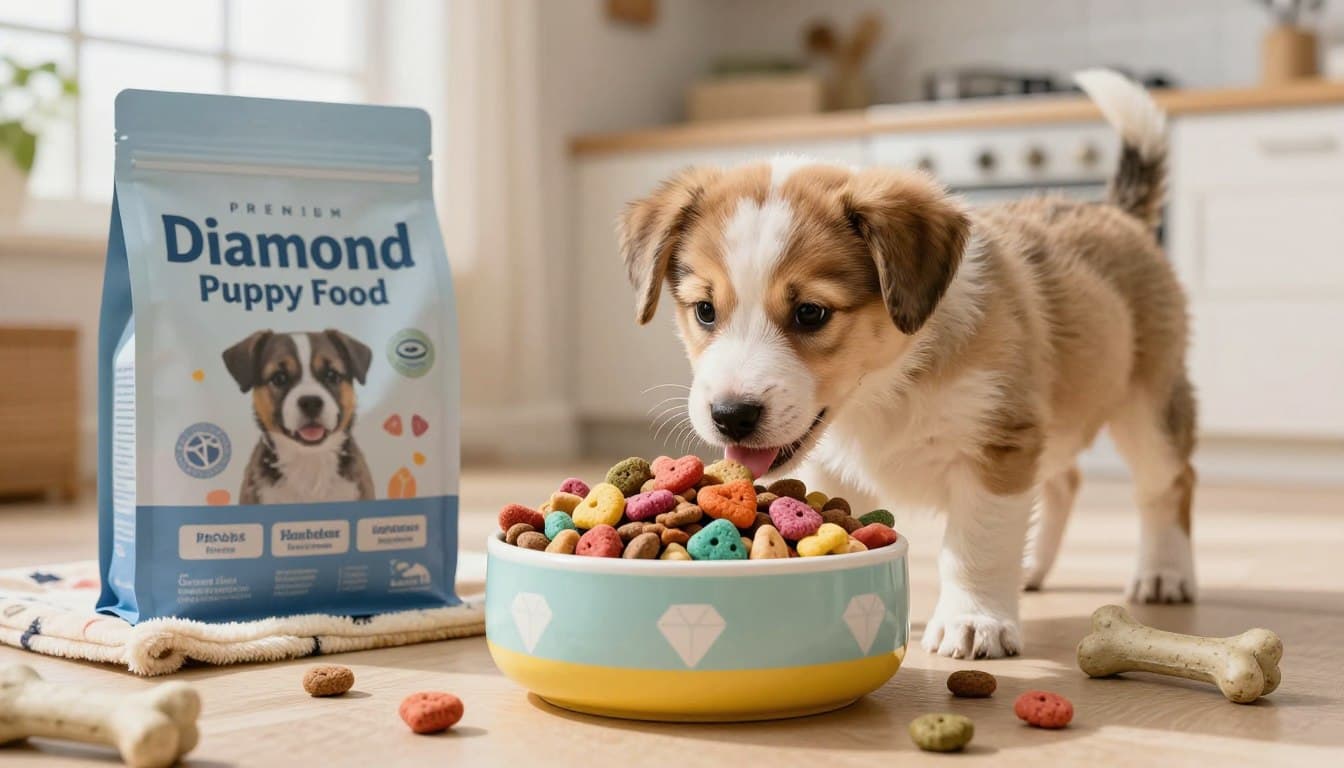
Quality ingredients are the foundation for your puppy's health. They support strong bones, a healthy immune system, and brain growth. Choosing balanced meals now helps avoid health issues later. It also ensures your puppy stays energetic for life.
Finding the right diamond puppy food can seem daunting. But sticking to trusted brands makes it easier. This guide will help you pick the best food for your puppy. We'll show how the right diet affects your pet's health for years to come.
Key Takeaways
- Early nutrition is vital for long-term physical and cognitive health.
- High-quality ingredients support bone growth and immune system strength.
- Selecting reputable brands reduces the risk of future health complications.
- Proper dietary choices during the first year ensure optimal development.
- Understanding nutritional labels helps you make informed decisions for your pet.
Understanding the Nutritional Requirements of Your Growing Puppy
The health of your dog starts with the right food in their first year. Choosing the right dog food puppy food is key. It's not just about ease; it's about giving them the fuel they need for growth.
Your puppy needs more calories than an adult dog. This is because they are growing bones and muscles fast.
Key Nutrients for Rapid Development
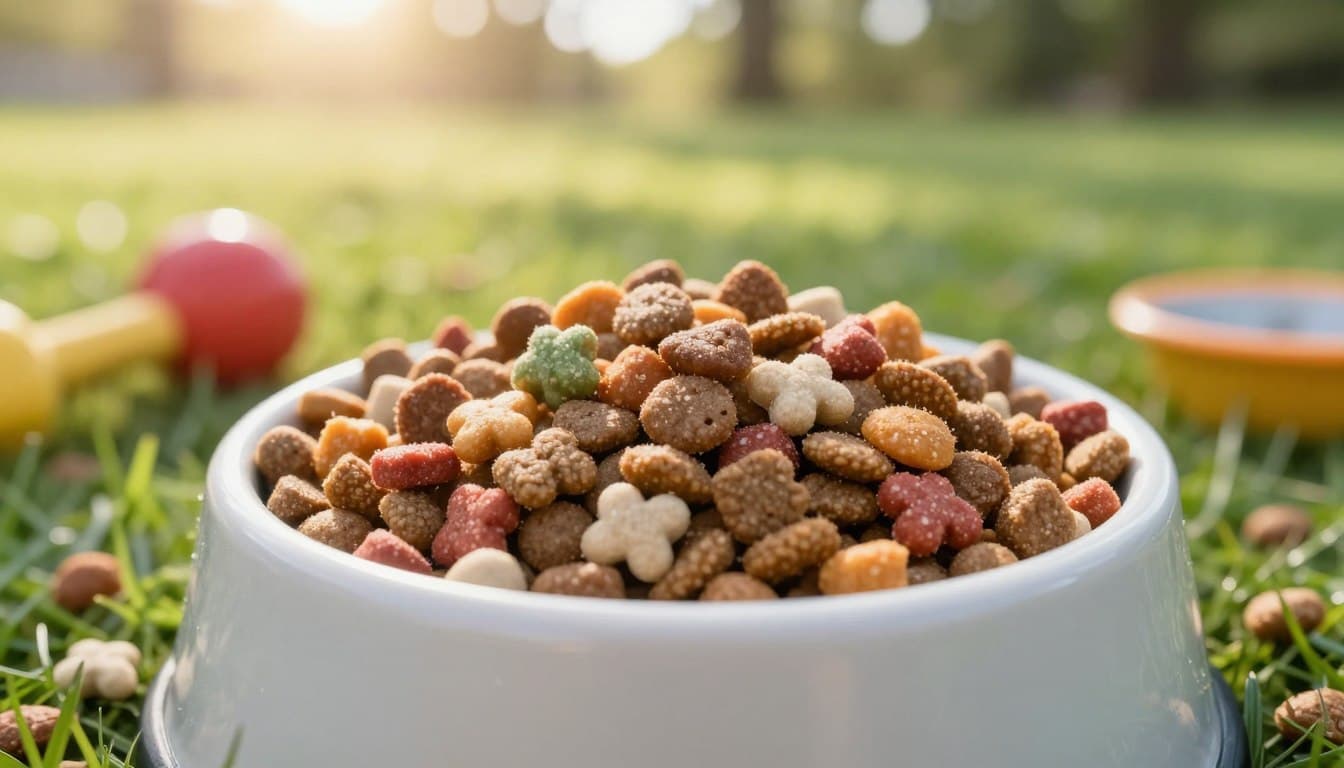
Puppies need the right minerals to grow safely. The right mix of calcium and phosphorus is critical to avoid bone problems. This is very important for big breeds that grow fast.
High-quality proteins are essential for muscle growth. Fats, like DHA, are also key for brain and eye development. Look for formulas that focus on these nutrients to help your puppy grow well.
The Importance of Protein and Fat Ratios
Protein is the main fuel for growth and repair. Puppies need amino acids to build new cells. Fats give them the energy they need to stay active.
Finding the right balance is important. It keeps your puppy from getting too fat and ensures they have enough energy. Proper fat ratios also keep their skin and coat healthy. Check your puppy's body condition regularly to make sure they're getting what they need.
| Growth Stage | Nutritional Focus | Energy Requirement |
|---|---|---|
| Early Puppyhood | High Protein & DHA | Very High |
| Rapid Growth | Calcium/Phosphorus Balance | High |
| Late Puppyhood | Moderate Protein | Moderate |
When to Transition from Puppy to Adult Formulas
Many wonder how long to feed puppy food before switching to adult food. Smaller breeds usually grow up faster, around 10 to 12 months. Bigger breeds might need puppy food for up to 18 to 24 months.
Talking to your vet is the best way to know when to switch. Gradual transitions help prevent stomach problems. By watching these growth milestones, you give your dog the best start.
Evaluating Diamond Puppy Food Formulas for Different Breeds
Choosing the right food for your puppy is key. It depends on their breed and how it affects their growth. Each breed has its own needs for food, based on its metabolism and body type. Picking the right food helps your puppy grow healthy and strong.
Selecting Large Breed Puppy Food for Joint Health
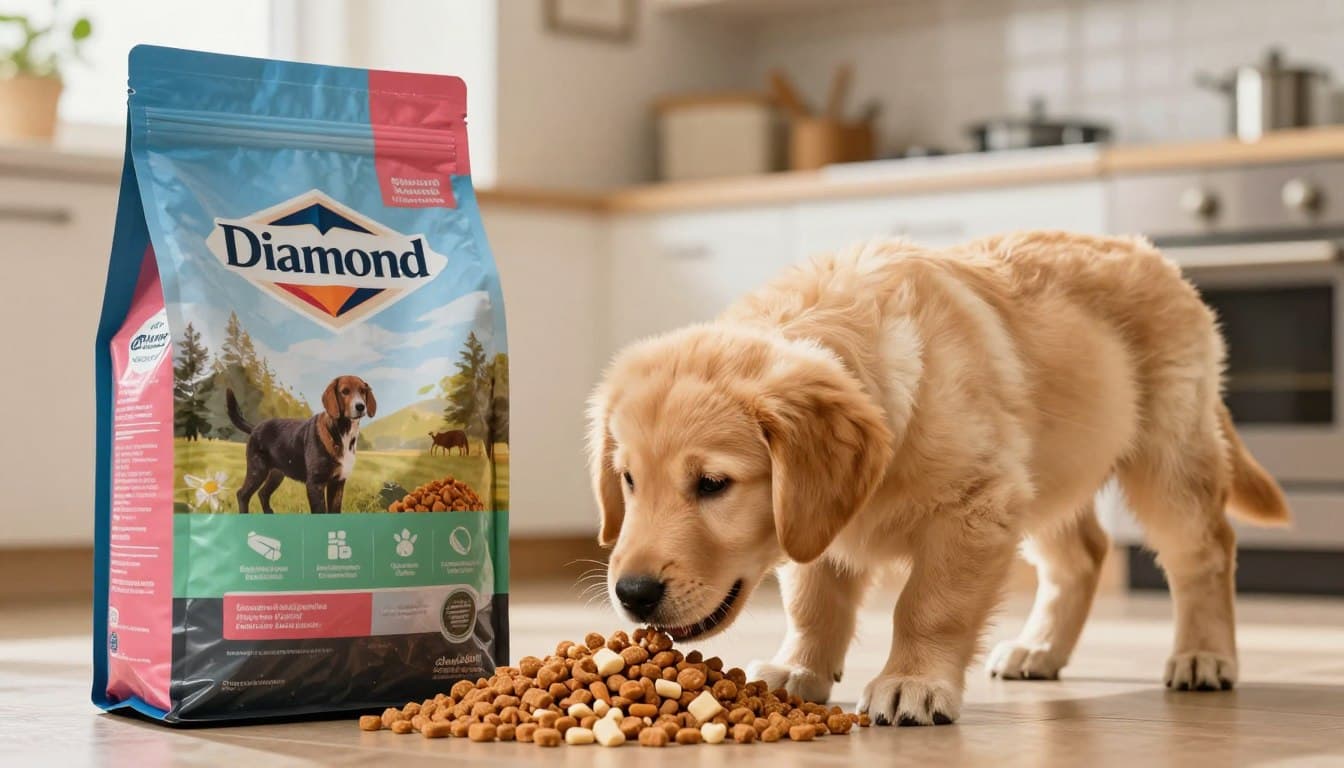
Large breeds grow fast, which can be hard on their bones and joints. Using large breed puppy food helps manage this growth. It has the right amount of calcium and phosphorus to prevent bone problems later. For a closer look at breed-specific formulas, see our guide to puppy food for large breeds.
"Proper nutrition during the first year of a large breed dog's life is the foundation for their long-term mobility and joint health."
Identifying High-Protein Puppy Food for Active Breeds
Active breeds need more energy than others. They should eat high protein puppy food to build muscles and stay active. This extra protein helps them recover from play and training.
Some owners choose bully max puppy food for high-energy breeds. Make sure the protein is of high quality and easy to digest for your puppy's best nutrition.
Matching Caloric Density to Your Puppy’s Energy Levels
It's important to match your puppy's diet to their activity level. A busy puppy needs more calories than a laid-back one. Watch their weight to keep them healthy and balanced.
| Breed Type | Energy Level | Nutritional Focus |
|---|---|---|
| Large/Giant | Moderate | Controlled Growth |
| Working/Athletic | High | High Protein/Fat |
| Toy/Small | High | Caloric Density |
Addressing Dietary Sensitivities and Grain Preferences
Looking at what's in your puppy's food is key to their health. Many puppies have upset stomachs, which might mean their food isn't right for them.
Choosing Puppy Food for Sensitive Stomachs
If your puppy has loose stools or gas often, finding the right food is urgent. Puppy food for sensitive stomachs has easy-to-digest proteins and fewer ingredients. This helps their growing gut. Our detailed guide to puppy food for sensitive stomachs reviews specific brands designed for gentle digestion.
Choose foods with gentle carbs like rice or oatmeal. These give consistent energy without upsetting their stomach.
Is Grain-Free Puppy Food Better for Your Pet
The debate on grain-free puppy food is ongoing. Some think it reduces inflammation, while others say whole grains are better for growth.
Whether grain-free puppy food is better depends on your dog. If they don't have a grain allergy, good grains can aid digestion and heart health.
Identifying Common Allergens in Commercial Dog Food
Signs of a food allergy include skin issues, ear infections, and itching. Common allergens are proteins like chicken, beef, or soy.
Keep a food diary to see how your puppy reacts to different foods. If you think they have an allergy, talk to your vet about an elimination diet.
| Common Allergen | Potential Symptom | Recommended Alternative |
|---|---|---|
| Chicken | Itchy Skin | Lamb or Salmon |
| Beef | Gastrointestinal Upset | Duck or Venison |
| Soy | Chronic Gas | Peas or Sweet Potato |
| Wheat | Ear Inflammation | Brown Rice or Oats |
Step-by-Step Guide to Choosing the Right Diamond Product
Choosing the best dog food for puppies is easier with a clear plan. You need to think about your pet's life stage and body condition. This approach helps pick the right nutrition.
Assessing Your Puppy’s Age and Weight
First, figure out your puppy's growth stage. Growth rates differ by breed. Knowing your puppy's age and weight is key to the right food.
Think about these when evaluating your puppy's needs:
- Current weight: Use a scale to track growth trends.
- Breed size: Large breeds need different nutrients than small ones.
- Activity level: Active puppies need more calories for their energy.
Consulting Your Veterinarian Before Changing Diets
Talk to your vet before changing your puppy's diamond puppy food. They can check your dog's health and dietary needs.
Your vet can help with:
- Spotting food sensitivities early.
- Checking if your puppy is at a good weight.
- Guiding a safe time to switch formulas.
Reading Ingredient Labels for Quality Assurance
Learning to read labels is important for quality dog food for puppies. Make sure premium proteins and vitamins are first on the list.
Look for these quality signs on the label:
- Named protein sources: Look for chicken, lamb, or beef first.
- Whole grains or vegetables: They add fiber and energy.
- Essential fatty acids: Ingredients like fish oil are good for brain and coat health.
Choosing a diamond puppy food with these ingredients ensures your puppy gets the right nutrition. Always check the guaranteed analysis to match your puppy's growth needs.
Managing Feeding Schedules and Portion Control
Creating a regular feeding schedule is key to raising a healthy puppy. It helps with joint and heart health. It's important to control portions to help your puppy grow right.
How Much Food to Feed a Puppy Based on Growth Charts
Finding out how much food to feed a puppy can be tough. But a puppy food chart can help. These charts consider your puppy's age, size, and expected weight. Remember, these are just guidelines.
Dogs are different, and so are their needs. If your puppy is always hungry or not gaining weight, talk to your vet. Choose high-quality puppy chow dog food for the best nutrition.
Establishing a Consistent Feeding Routine
Feeding your puppy at the same time every day is good for their stomach. It also makes training easier. Experts say to feed them three or four times a day for the first six months.
"A consistent feeding schedule not only aids in digestion but also reinforces the bond between you and your pet, creating a sense of security and predictability."
As your puppy gets older, you can switch to two meals a day. Always use a measuring cup to avoid overfeeding. This simple step helps keep your puppy healthy.
Monitoring Body Condition Scores to Prevent Overfeeding
It's not just about following a puppy food chart. You should also check your puppy's body condition. Look for a healthy weight, where you can feel their ribs but not see them.
If your puppy looks too round or loses their waist, it's time to cut back on puppy chow dog food. Proactive monitoring helps prevent obesity and ensures a healthy adult dog.
Incorporating Wet Dog Food and Toppers into the Diet
Adding wet food and toppers to your puppy's diet has many benefits. Kibble is easy to use, but new textures make meals more fun and nutritious. Remember, a little bit of everything is best for your puppy's health.
Benefits of Mixing Wet and Dry Puppy Food
Mixing food types helps your puppy's teeth and gives them moisture. Wet dog food for puppies adds variety without losing calories. This mix makes meals more interesting and nutritious.
Hydration and Palatability Advantages
Wet food can make picky eaters more interested in food. It also helps puppies drink more water. This is good for their organs and skin during growth.
Safe Human-Grade Toppers for Added Nutrition
You can make dog for dog puppy food better with fresh, safe ingredients. Try adding cooked chicken, carrots, or pumpkin. Just make sure they don't have harmful seasonings or garlic.
| Food Type | Primary Benefit | Best Use Case |
|---|---|---|
| Dry Kibble | Dental Health | Daily Foundation |
| Wet Food | Hydration | Picky Eaters |
| Fresh Toppers | Nutrient Boost | Occasional Variety |
Start with small amounts of new foods to see how your puppy likes them. Consistency is key for a healthy tummy. With these tips, your puppy will get a tasty, balanced diet every day.
Comparing Diamond Products with Kirkland and Taste of the Wild
Many pet owners are surprised to learn that several popular dog food brands share the same manufacturing facilities. Understanding the landscape of pet food production helps you make informed choices for your growing companion. By looking at the parent company, you can better evaluate the quality standards behind your favorite labels.
Understanding the Relationship Between Diamond and Costco Puppy Food
Diamond Pet Foods is a major manufacturer that produces various private-label products for large retailers. The popular Costco puppy food, often sold under the Kirkland Signature brand, is manufactured by Diamond. This means that Kirkland puppy food often benefits from the same safety protocols and quality control measures used for premium lines.
Because these products share a manufacturer, they often utilize similar sourcing networks for their ingredients. You can feel confident that the production standards remain consistent across these different labels. This relationship allows for high-quality nutrition at a more accessible price point for many families.
Why Taste of the Wild Puppy Food is a Popular Alternative
If you are looking for a more specialized diet, Taste of the Wild puppy food serves as a premium alternative within the same manufacturing family. This brand focuses on unique protein sources and grain-free recipes that mimic a dog's ancestral diet. Many owners choose this option when their puppy requires specific nutrients or has sensitivities to common grains.
The formulation process for this line emphasizes high-quality proteins like roasted meats and fish. It is designed to provide optimal energy for active puppies who need extra support during their rapid growth phases. Choosing this brand often means prioritizing specific ingredient profiles over standard commercial formulas.
Comparing Price Points and Ingredient Quality
When deciding between these options, you should weigh the cost against the specific nutritional needs of your pet. While some brands offer budget-friendly solutions, others provide premium ingredients that may justify a higher price tag. The following table highlights the general differences you might encounter while shopping.
| Brand | Primary Focus | Price Range |
|---|---|---|
| Kirkland Signature | Value and Consistency | Budget-Friendly |
| Diamond Naturals | Balanced Nutrition | Mid-Range |
| Taste of the Wild | Premium/Ancestral | Premium |
Ultimately, your decision should depend on your puppy's health requirements and your personal budget. Whether you select Taste of the Wild puppy food for its specialized ingredients or stick with Kirkland puppy food for its reliable value, you are choosing products backed by established manufacturing expertise. Always monitor your puppy's growth and consult your veterinarian to ensure the chosen diet supports their long-term wellness.
Common Mistakes to Avoid When Feeding Your Puppy
Your puppy grows fast, and the wrong food can harm them. It's key to pick the right food and avoid the bad ones for their health.
Why You Should Not Feed Puppies Cat Food
Sharing food between pets is a big no. Many ask, can puppies eat cat food. The answer is no, it's not good for them. We explain why puppies shouldn't eat cat food in detail, including the nutritional differences and health risks.
Cats need more protein and special amino acids than dogs. Giving cat food to puppies can cause serious health problems.
The Risks of Feeding Adult Dog Food Too Early
Switching to adult food too soon is a mistake. It can slow down your puppy's growth. Can puppies eat adult dog food? It's not right for their needs.
Adult food has less calcium and phosphorus. These are important for strong bones and teeth in young dogs. For big breeds, it can cause serious bone problems.
Avoiding Dangerous Human Foods and Table Scraps
It's tempting to give your puppy human food. But many foods are bad for them. Even a little can make them very sick.
Keep your puppy away from these foods:
- Chocolate and Caffeine: They can harm a dog's heart and nervous system.
- Grapes and Raisins: They can cause sudden kidney failure.
- Onions, Garlic, and Chives: They can damage red blood cells and cause anemia.
- Xylitol: It's in sugar-free gum and peanut butter and is very toxic.
Make sure everyone knows not to give these foods to your puppy. Consistency is the key to keeping them healthy and safe.
Transitioning Your Puppy to a New Diamond Formula
Changing your puppy's food should be done slowly to prevent upset stomachs. Puppies have sensitive stomachs, and sudden changes can cause discomfort. By taking it slow, you help their body adjust to the new food safely.
The Seven-Day Gradual Transition Method
For a smooth transition, use a seven-day schedule. This method gradually introduces the new food, easing the stress on your puppy's stomach.
- Days 1-2: Mix 25% new food with 75% old food.
- Days 3-4: Mix 50% new food with 50% old food.
- Days 5-6: Mix 75% new food with 25% old food.
- Day 7: Serve 100% of the new diamond puppy food.
Managing Digestive Upset During Diet Changes
Even with a slow transition, some puppies may experience mild gas or loose stools. If you notice these signs, don't worry. It's usually a temporary reaction to the new ingredients. You might need to slow down the transition by staying on the current ratio for a bit longer.
If the upset persists or gets worse, see your vet right away. They can figure out if it's from the transition or a food sensitivity. Always put your puppy's comfort first during this time.
Signs That Your Puppy Is Thriving on Their New Food
After your puppy fully adjusts to the new food, look for signs of health. A shiny, soft coat is a good sign of essential fatty acids. Also, watch for consistent energy levels, showing the food meets their caloric needs.
Lastly, check their stool quality. Healthy, firm, and regular bowel movements mean they're digesting well. When your pet is happy, active, and at a healthy weight, you know you've made the right choice.
Conclusion
Choosing the right food for your puppy is a lifelong journey. It starts with the decisions you make in their first year. Giving them high-quality Diamond puppy food is key to their health.
You are essential in keeping your dog healthy for years to come. By focusing on balanced meals, you help them grow strong and full of energy. This is important during their early months.
Your vet is a great source of advice for your puppy's needs. They can guide you on the best food for your dog as they grow. Regular vet visits help adjust their diet for adulthood.
Listen to your gut and watch how your puppy reacts to different foods. This care ensures your puppy lives a long, happy, and healthy life. It's all about paying attention to their changing needs.
Sharing your experiences with other pet owners is also important. It helps build a community of caring pet owners. Your commitment to good nutrition makes a big difference in your dog's life.
FAQ
How long should you feed puppy food to your growing dog?
Most dogs need puppy food until they are about 12 months old. But bigger dogs might need it for up to 24 months. This helps their bones and joints grow properly. Always check with your vet for the best time for your dog.
Is grain-free puppy food better for your pet's development?
It really depends on your puppy's health needs. Grain-free food is good for dogs with grain allergies. But, many puppies do well on food with grains for energy and fiber. If your puppy has allergies, try grain-free food.
How much food should you feed a puppy each day?
The right amount of food for a puppy depends on their weight and size. Look at the puppy food chart on the food packaging. But watch your puppy's weight to keep them healthy and not too fat.
What is the difference between Diamond and Kirkland puppy food?
A: Kirkland puppy food is made by Diamond Pet Foods. They both offer high-quality food, but the ingredients might differ. Kirkland is cheaper, while Diamond has more specialized formulas.
Can puppies eat adult dog food if you run out of their regular formula?
No, don't give puppies adult food too soon. Adult food doesn't have enough calories or the right nutrients for puppies. It can cause health problems, like slow growth.
What should you do if your pet has a sensitive stomach?
For a sensitive stomach, look for puppy food for sensitive stomach issues. Brands like Diamond or Taste of the Wild use easy-to-digest ingredients. Avoiding fillers in some foods can also help.
Is it safe to incorporate wet dog food for puppies into their diet?
Yes, adding wet dog food for puppies to their diet is safe. It makes meals more interesting and helps with hydration. You can also use toppers from brands like Dog for Dog for extra nutrients.
Can puppies eat cat food in an emergency?
No, puppies should not eat cat food. Cat food has too much protein and fat for dogs. It can harm their kidneys and cause nutritional problems.
When should you consider a high-protein puppy food like Bully Max?
High-protein food is good for active or working dogs. Bully Max puppy food helps with muscle growth. But make sure it matches your puppy's activity level to avoid weight gain.
Why is Taste of the Wild puppy food a popular choice for new owners?
A: Taste of the Wild puppy food is popular for its focus on natural proteins like bison or venison. It's a good choice for those who want quality food without grains.
Topics
Our goal is to give you the most helpful, research-backed information possible. This content is for educational purposes only. For health concerns specific to your dog, always consult your veterinarian.
DogMealGuide Editorial Team
DogMealGuide Editorial Team provides research-backed, practical advice to help dog owners make better nutrition decisions for their pets.
This article is for educational purposes only and is not a substitute for professional veterinary advice.
Best Puppy Nutrition Guides
Our top expert-reviewed picks in this category