Simple Homemade Dog Food Recipes for Beginners
DogMealGuide Editorial Team
DogMealGuide Editorial Team provides research-backed, practical advice to help dog owners make better nutrition decisions for their pets.
Simple Homemade Dog Food Recipes for Beginners
More pet owners are cooking meals at home for their pets. It's a way to choose fresh ingredients and tailor meals to your own dog. Before you start, it helps to understand a few basics about safety and nutrition.
It's also crucial to keep your pet safe. The meals below are simple homemade meal and treat ideas — not complete, balanced diets on their own for long-term feeding. Chicken, rice, and vegetables alone do not provide complete nutrition for a growing or adult dog. If you plan to feed any homemade food long-term, have a veterinarian or veterinary nutritionist review the recipe and advise on supplementation, since every dog's needs differ.
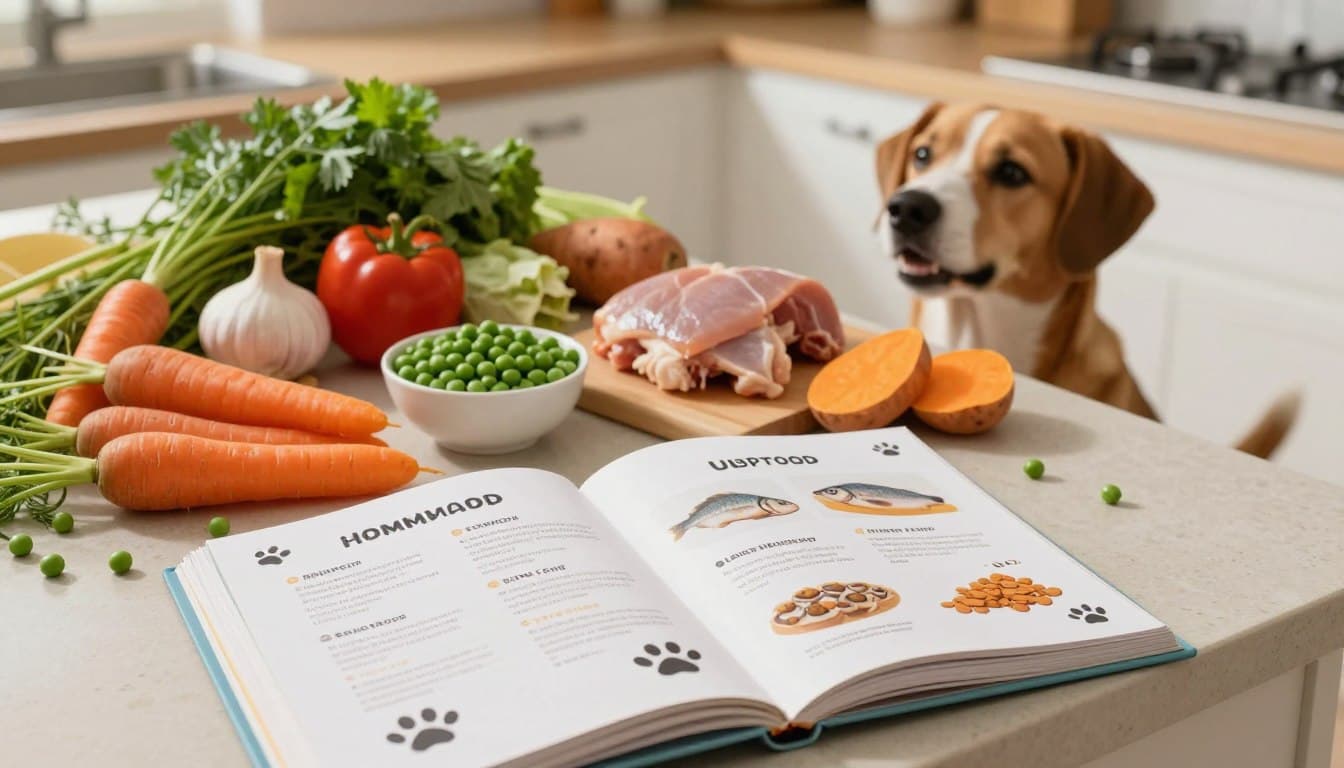
Switching from store-bought food to homemade meals needs patience and planning. Start by adding new foods slowly to see how your pet reacts. With the right steps, you can make tasty meals that keep your pet happy and healthy.
Key Takeaways
- Cooking at home allows for better control over ingredient quality.
- Always consult professional guidelines to ensure nutritional balance.
- Have a veterinarian review your meal plan to prevent health risks.
- Introduce new dietary changes gradually to avoid digestive upset.
- Monitor your pet's weight and energy levels during the transition.
Understanding Nutritional Requirements for Your Dog
Feeding your dog homemade meals is more than just love — it requires understanding their dietary needs. Every dog has specific needs based on age, size, and health, so a home-cooked diet takes careful thought. Unless you have training in canine nutrition, it's wise to work with a veterinarian rather than assume any recipe is automatically complete.
Dogs are not small humans. They process nutrients differently and need a balanced diet. Having a vet guide your recipe choices helps ensure your pet's health.
Consulting Your Veterinarian Before Changing Diets
Before starting a new diet, see your vet. They will check your dog's health, age, and activity level. This is key to avoid health problems.
Your vet can also spot allergies or sensitivities. A vet-reviewed meal plan makes diet changes safer. Never change your dog's diet without a vet's advice.
Balancing Proteins, Fats, and Carbohydrates
A healthy dog diet needs the right mix of macronutrients. Proteins help muscles, fats give energy, and carbs support digestion.
The table below shows how these nutrients help your dog:
| Nutrient | Primary Function | Source Example |
|---|---|---|
| Protein | Muscle Repair | Chicken or Turkey |
| Fats | Energy & Skin Health | Fish Oil or Flaxseed |
| Carbohydrates | Digestive Support | Sweet Potatoes or Rice |
| Fiber | Gut Regularity | Green Beans or Carrots |
Keeping this balance supports your dog's health. Choose high-quality ingredients for the best nutrition. Consistency is key with any homemade feeding plan.
Essential Kitchen Safety and Ingredient Selection
Creating a safe kitchen for your dog means knowing what not to put in their bowl. Your kitchen is a place for health, but it also has risks. Keep it clean and make sure your pantry is safe for your pet.
Organizing your kitchen well helps prevent accidents. Store your dog's food in separate containers. This keeps it away from human foods that could be bad for them.
Foods to Avoid That Are Toxic to Dogs
Many common items are toxic to dogs and should not be in your kitchen. The ASPCA's list of foods to avoid feeding pets is a helpful reference. Even a little bit of some foods can cause serious health problems or a vet visit. Keep a list of these items in your kitchen for easy reference.
Watch out for these dangerous foods for dogs:
- Grapes and Raisins: They can cause sudden kidney failure in dogs.
- Onions, Garlic, and Chives: They damage a dog's red blood cells.
- Chocolate: It's toxic to a dog's heart and nervous system because of theobromine.
- Xylitol: Found in sugar-free gum and peanut butter, it lowers blood sugar too much.
- Macadamia Nuts: They can cause weakness, tremors, and high body temperature.
Selecting High-Quality Proteins and Fresh Produce
After making your kitchen safe, focus on getting the best ingredients. The quality of your dog's food depends on the nutritional density of what you choose. Always pick fresh, whole foods over processed ones.
Choose lean meats without added sodium, marinades, or preservatives. Wash fresh produce well to remove dirt before cooking. By picking high-quality proteins and fresh, dog-safe vegetables, you add vitamins and minerals from whole ingredients. Organic isn't required — focus on fresh, well-washed, dog-appropriate foods.
Homemade Dog Food Recipes Using Chicken
Many pet owners prefer planning homemade meals with their vet for peace of mind. They choose lean proteins to meet their dog's health needs. Starting with simple, high-quality ingredients gives you control over what goes into the bowl. For more complete homemade meal ideas, see our healthy homemade dog food recipes.
Preparing a Balanced Chicken and Rice Meal
A classic combo for sensitive stomachs is lean chicken breast with plain rice. Make sure the chicken is thoroughly cooked and free of bones, skin, or seasonings like onion or garlic. These are toxic to dogs and must be avoided.
To make this meal, boil or bake plain chicken until it's fully cooked, then mix shredded chicken with cooked rice. This simple base is easy to digest and a useful starting point — but it isn't complete on its own. Treat it as a short-term meal idea, or build it into a fuller recipe that a veterinarian has reviewed for balance.
Adding Vegetables for Essential Vitamins
After setting up a protein and grain base, add fresh vegetables for more nutrients. Vegetables add essential fiber and vitamins that boost your dog's immune system and digestive health. Steam or lightly cook these veggies to make them easier for your dog to digest.
Consider adding these dog-safe vegetables to your homemade meals:
- Carrots: Rich in beta-carotene and fiber.
- Green Beans: A low-calorie source of vitamins and minerals.
- Spinach: Packed with iron and antioxidants.
- Sweet Potatoes: An excellent source of dietary fiber and vitamin B6.
Rotating these vegetables adds a variety of nutrients, and introducing new ingredients slowly lets you watch for any digestive reaction. These meals are best treated as wholesome recipe ideas rather than a guaranteed complete diet.
Ground Turkey Dog Food Recipe
Plain ground turkey can be a good choice for dogs that do well on a lean, gentle protein. It's often easy on the stomach, but it isn't a special treatment for digestive problems. Keep in mind that any protein, including turkey, can potentially cause a food reaction in some dogs, so follow your veterinarian's guidance if your dog has known allergies or sensitivities. Cooking it at home lets you control the quality of each ingredient.
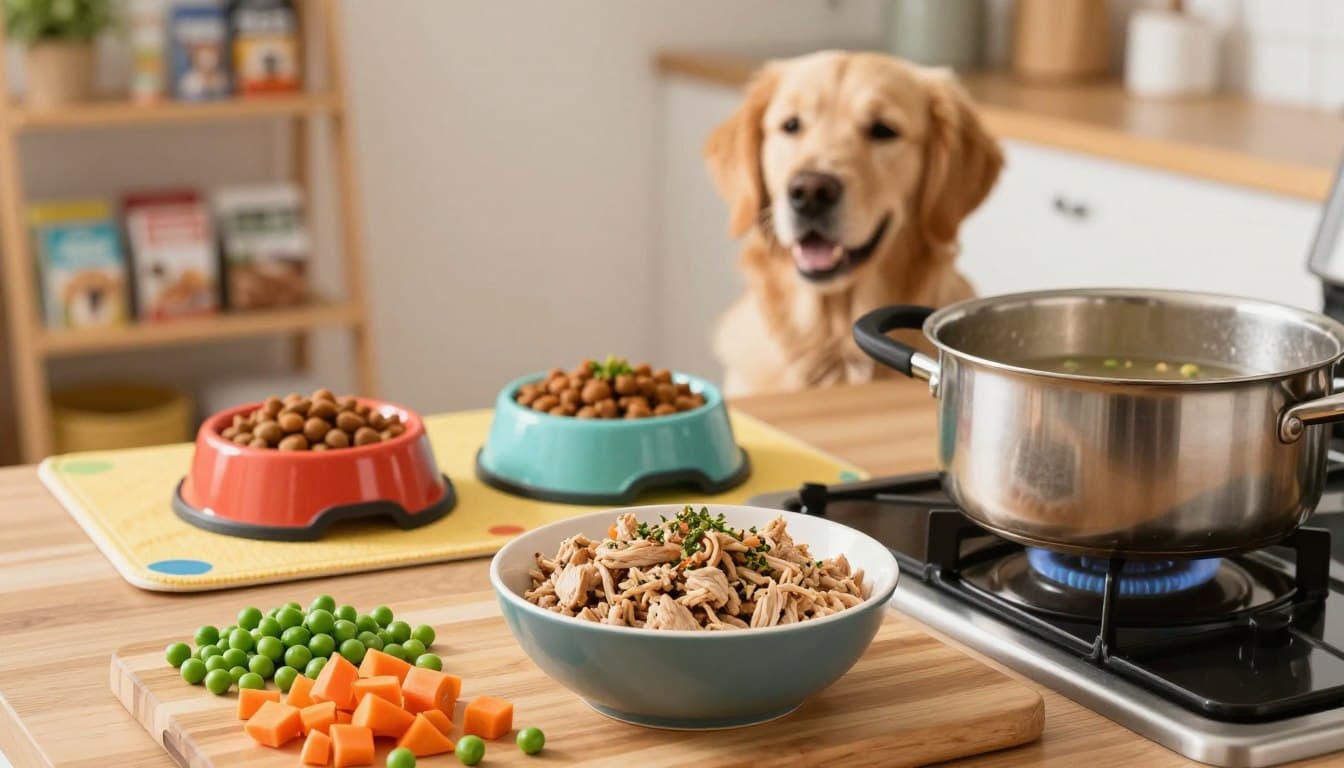
Cooking Methods to Retain Nutrient Density
Choosing the right cooking method is key for dogs with sensitive stomachs. High-heat frying can ruin vitamins and make food hard to digest. Use gentle cooking techniques to keep the food nutritious.
- Steaming: This method keeps nutrients in the meat and veggies.
- Light Poaching: Simmering in a little water keeps the turkey moist and easy to chew.
- Avoid Overcooking: Cook just until it's safe to eat.
The goal is simple: keep the turkey moist and thoroughly cooked while preserving as many nutrients as possible.
Portion Control and Storage Guidelines
Even the healthiest ground turkey dog food recipe can cause problems if not portioned right. Talk to your vet to figure out the right amount for your dog, and use a digital kitchen scale for balanced meals. Our guide to how much to feed a dog is a useful starting point for portion sizes.
Storing food properly is crucial to keep it fresh and safe. Cool the food, then divide it into portions in airtight containers. Store in the fridge for up to three days, following USDA guidance on storing leftovers safely. Always thaw frozen food in the fridge, not at room temperature, for maximum safety.
Exploring Raw Dog Food Recipes Safely
Raw diets are sometimes described as a return to what dogs ate long ago, but they carry real food-safety and nutritional risks that make them difficult to recommend for most owners. If you're considering one, weigh those risks carefully with your veterinarian rather than treating raw as a default alternative.
Preparing these meals at home is a big job. It needs strict cleanliness to keep both you and your pet safe.
Understanding the Risks of Pathogens
The main worry with raw dog food recipes is harmful bacteria. Raw meat can carry Salmonella and E. coli. These germs can be deadly to both humans and pets — the FDA warns about the risks of raw pet food for people handling it too.
Even though dogs might handle some bacteria better, they can still get sick. They can also spread germs around your home. Knowing about these risks is the first step to safer meals.
Best Practices for Handling Raw Ingredients
To avoid contamination, treat your kitchen like a pro food prep area. Always wash your hands well with hot, soapy water before and after touching raw meat. Use separate cutting boards and utensils that get cleaned right away to stop germs from spreading.
Storing raw ingredients right is also crucial. Keep all raw stuff frozen until you thaw it in the fridge. Never let raw meat sit out, as it grows bacteria fast.
| Risk Factor | Potential Consequence | Mitigation Strategy |
|---|---|---|
| Bacterial Load | Foodborne illness | Source high-quality meat |
| Cross-Contamination | Spread of pathogens | Use dedicated equipment |
| Improper Thawing | Rapid bacterial growth | Thaw in the refrigerator |
| Surface Contact | Kitchen contamination | Sanitize surfaces daily |
Easy Dog Food Cake Recipes for Special Occasions
Celebrating your dog's birthday is a great way to show your love. It's perfect for birthdays, adoption anniversaries, or training milestones. Making a homemade treat is a personal touch that pets love, without preservatives.
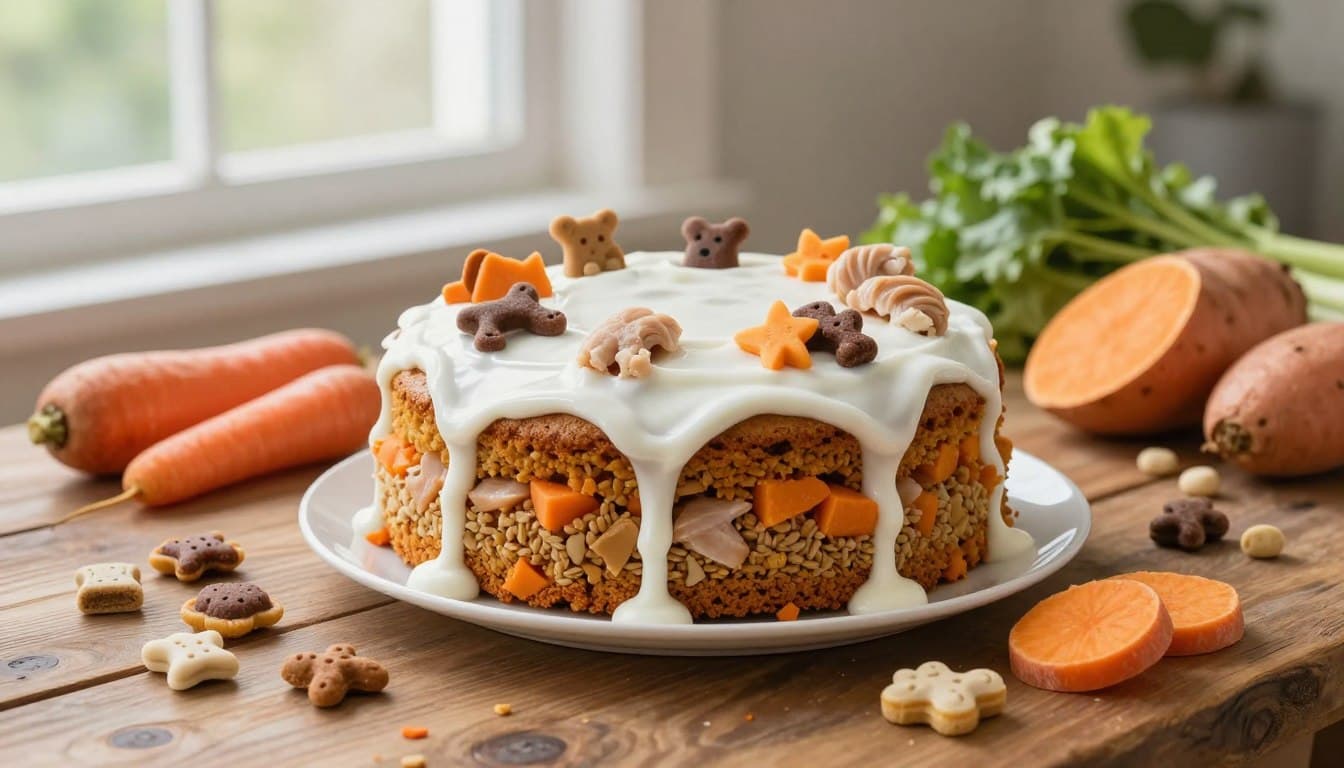
Baking a Dog-Friendly Birthday Treat
When baking for your pet, use safe ingredients. A good dog food cake recipe starts with oat flour. It's easy on their stomach. Add pureed pumpkin for moisture and a bit of unsalted peanut butter for taste.
Make sure your peanut butter doesn't have xylitol. It's highly toxic to dogs. Mix these with an egg and a bit of water. Bake in a small pan until it's done, then cool it before serving.
Choosing Safe Frosting Alternatives
Decorating is the last step in making easy dog food cake recipes. Human frostings are too sweet and fatty for pets. Choose healthier options for a creamy texture without risks.
Plain Greek yogurt is a great choice. It's full of protein and probiotics. For a savory taste, use plain mashed potatoes. These options let you decorate safely while keeping your pet healthy.
| Ingredient | Benefit | Safety Status |
|---|---|---|
| Pumpkin | High in fiber | Safe |
| Oat Flour | Gluten-free option | Safe |
| Greek Yogurt | Probiotic boost | Safe |
| Xylitol | None | Toxic |
Comparing Homemade Meals to Commercial Options
Many dog owners look for a balance between cooking meals and buying commercial food. Homemade meals let you control what goes into your dog's food. But, commercial brands offer consistency and convenience that's hard to match every day. Knowing how these options fit into your life is key to keeping your dog healthy.
Choosing a Commercial Food for Busy Days
The reality is that cooking every meal isn't realistic for every owner. If you'll sometimes rely on commercial food, look for a complete, balanced product that carries an AAFCO statement of nutritional adequacy for your dog's life stage. Read the ingredient list, aim for a named protein source, and avoid foods full of vague fillers.
Many owners find a workable middle ground: cooking homemade meals as a change of pace or treat while relying on a complete commercial diet as the daily staple. You can also add a little plain, cooked food to a balanced commercial meal for moisture and variety. Whichever approach you take, make sure at least part of the routine provides complete nutrition.
| Feature | Homemade Meals | Commercial Options |
|---|---|---|
| Ingredient Control | High | Moderate |
| Preparation Time | High | Low |
| Nutritional Balance | Requires Careful Formulation | Designed to Meet Nutritional Standards |
| Cost Efficiency | Variable | Predictable |
Conclusion
Cooking for your dog at home gives you more control over the ingredients, but it does not automatically make a diet complete or balanced. This means your dog gets high-quality proteins and fresh veggies just right for them.
It's important to keep your vet in the loop when planning meals. They help make sure your dog gets all the nutrients they need. Regular vet visits also help your dog stay healthy in the long run.
Keeping your kitchen clean is key to avoiding foodborne illnesses. Storing food properly keeps it fresh and safe for your dog. Also, giving the right amount of food helps your dog stay at a healthy weight.
You might want to mix homemade meals with commercial dog food for ease. This way, you get the best of both worlds. Sharing healthy dog food recipes with others can also help build a community focused on pet health.
Your dedication to healthy food makes a big difference in your dog's life. Start with small steps, stay consistent, and watch your dog flourish on the meals you make.
FAQ
Why should you have a vet review your homemade dog food recipes?
Having a vet or veterinary nutritionist review your recipes helps ensure your pet gets the right nutrients. This is crucial for their health when feeding homemade meals long-term.
Are dog food recipes with chicken appropriate for every breed?
Chicken is a common, easily digested protein, but it isn't right for every dog, and some dogs do react to it. Use plain, boneless, skinless chicken and watch for any signs of a food reaction. For anything beyond a short-term meal, have a veterinarian review the recipe, since chicken and vegetables on their own aren't a complete diet.
When is it best to use a ground turkey dog food recipe?
Plain ground turkey can be used as a lean protein in some homemade meals, but it isn't appropriate for every dog. Dogs with food reactions or health conditions may need veterinary guidance rather than a one-size-fits-all recipe. Always use plain, thoroughly cooked turkey, and confirm with your veterinarian before making it part of an ongoing diet.
What are the safety risks associated with preparing raw dog food recipes?
Raw food can be risky due to bacteria like Salmonella and Listeria. The risk affects both the dog and anyone handling the food, so these diets aren't recommended for most owners. If you do feed raw, follow strict hygiene — wash hands and clean all surfaces and bowls thoroughly — and discuss the decision with your veterinarian first.
Can you suggest a simple dog food cake recipe for a birthday celebration?
For a special treat, try a dog food cake with plain pumpkin puree, xylitol-free peanut butter, and oat flour. Use plain Greek yogurt or mashed bananas instead of sugary frostings for a healthier option.
How do I decide between home-cooked and commercial dog food?
If cooking every meal at home isn't practical, a complete, balanced commercial food with an AAFCO statement of nutritional adequacy can safely fill that role. Look for a named protein source and avoid vague fillers, then use your homemade meals as supplements or treats within a diet that still provides complete nutrition.
Which common ingredients must you strictly avoid in your homemade dog food?
Even when you cook at home, be careful with toxic ingredients. Never use onions, garlic, grapes, raisins, macadamia nuts, or chocolate. These can cause serious health problems, so keep them away from your dog's food area.
Topics
Our goal is to give you the most helpful, research-backed information possible. This content is for educational purposes only. For health concerns specific to your dog, always consult your veterinarian.
DogMealGuide Editorial Team
DogMealGuide Editorial Team provides research-backed, practical advice to help dog owners make better nutrition decisions for their pets.
This article is for educational purposes only and is not a substitute for professional veterinary advice.
Best Feeding Basics Guides
Our top expert-reviewed picks in this category